AI Training for UK Charities and Nonprofits
Your team wants to do more with less - but no one has shown them how AI fits into charity work. Structured training gives every staff member, trustee and volunteer the confidence to use AI tools for the tasks they do every day.
The Charity Digital Skills Report 2023 (opens in a new tab) found that 78% of charities agree AI is relevant to them, yet 73% do not feel prepared for it. Hartz AI runs hands-on workshops that close that gap - giving charity teams practical AI skills on limited budgets.
AI training for charities gives UK charity staff, trustees and volunteers the practical skills to use tools like ChatGPT on limited budgets. Hartz AI runs hands-on workshops covering fundraising prompts, grant drafting, supporter communications and responsible AI use - typically in a single 90-minute session with no technical background required. A private half-day workshop for your team is from £1,500 + VAT, a full day from £2,500 + VAT.
What Does an AI Workshop for Charity Staff Look Like?
AI workshops for charity staff are not lectures about the future of technology. They are practical, hands-on sessions where your team learns to use AI tools for the work they do every day - writing funding bids, drafting supporter communications, analysing beneficiary data and summarising board papers.
A Typical Session Agenda
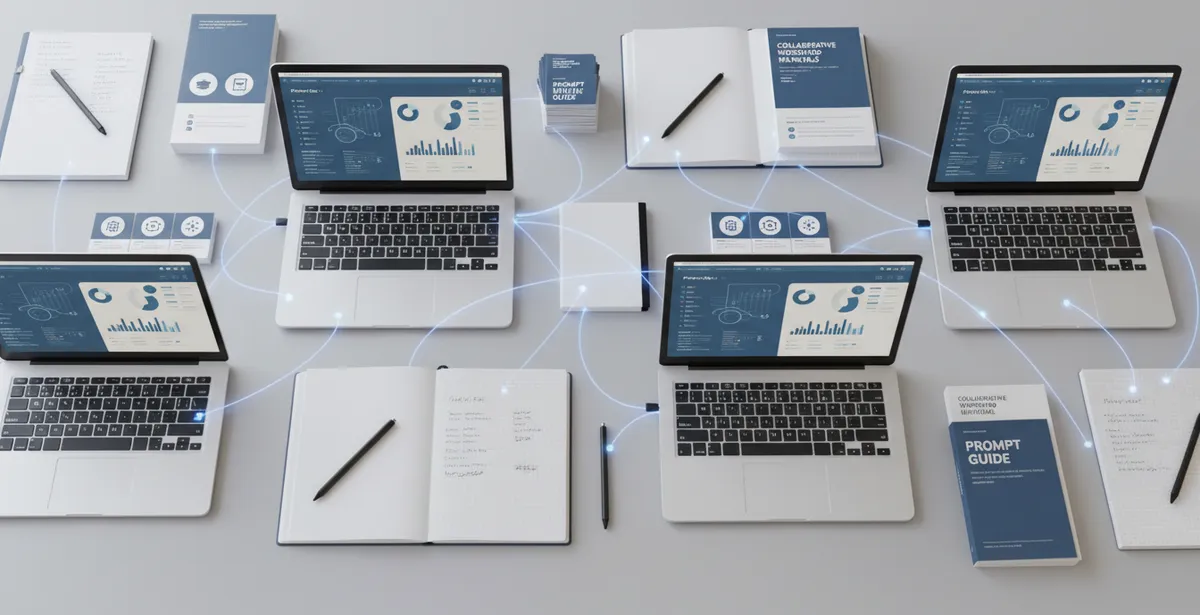
A 90-minute charity AI training session in the UK typically covers three phases. First, a 20-minute orientation: what AI can and cannot do, with live demonstrations using ChatGPT and similar tools. Second, a 40-minute hands-on workshop where your team writes prompts for their actual tasks - fundraising emails, grant summaries and social media posts.
Third, a 30-minute action planning session where each participant identifies two tasks they will use AI for in the next week. The Charity Digital Skills Report 2023 (opens in a new tab) found that 64% of large charities were using or planning to use AI, compared with 44% of small charities. Structured charity AI training closes that skills gap by giving every team member the same practical foundation.
Tools and Skills Covered
ChatGPT training for charity teams covers prompt writing, tone matching and output editing. Building nonprofit AI skills starts with practical tasks: grant research, bid drafting and donor communication templates. Every session uses examples from charity work - not corporate scenarios your team cannot relate to. The AI skills gap in the charity sector is real, but it is a training problem, not a technology problem. Browse the full range of AI training programmes for UK organisations to see module options beyond the charity-specific sessions described here.
A well-designed workshop gives your team practical skills in a single session - but the real barrier for most charities is not the content, it is the confidence to get started.
How Do Charities Get Started with AI When Staff Lack Confidence?
The biggest obstacle to AI adoption in charities is not budget or technology. It is confidence. Staff worry about looking foolish. Managers fear making mistakes with supporter data. The result is paralysis - and the best AI course for charity managers with no tech background addresses that head-on.
Starting with Quick Wins
How do charities get started with AI? Start with one low-risk task that saves visible time. Summarising a long report into three key points. Drafting a first version of a newsletter. Rewriting a grant application executive summary. These quick wins take 10 minutes to learn and demonstrate immediate value. AI training for small charities under 50 staff works best when the first session focuses entirely on these quick wins - no theory, no strategy, just practical results that staff can show their colleagues the same afternoon.
Building Confidence Through Practice
AI confidence building for charity leaders follows a simple pattern: demonstrate, practise, apply. In our workshops, every participant completes at least five hands-on exercises. By the end, the question shifts from ‘can I use this?’ to ‘what else can I use this for?’ That shift is the goal. For organisations that need a broader assessment before training begins, AI consultancy to scope your charity's training needs maps skills gaps across departments and recommends a phased training plan.
Confident staff can apply AI to their daily work - but trustees carry legal and governance responsibility, and they need their own understanding of what AI means for the organisation.
Why Do Charity Trustees Need AI Training?
Charity trustees have a legal duty of care that extends to technology decisions. If your charity uses AI tools - and in a Google.org survey (opens in a new tab), 58% of nonprofits said some of their staff already use generative AI - your trustees need enough understanding to ask the right questions and make informed decisions.
Governance Responsibilities
AI training for trustees is not about making them technical experts. It is about giving them the vocabulary and framework to fulfil their governance responsibilities. Trustee responsibility for AI includes understanding what data AI tools process, what risks they introduce and what policies should govern their use. AI awareness training for charity trustees in the UK covers these three areas in a focused session designed for non-technical board members. For a deeper look at the policies and frameworks trustees should be aware of, explore AI governance frameworks for responsible adoption.
The 90-Minute Board Session
The most effective format is a dedicated 90-minute board session. This covers what AI tools the charity currently uses (many boards are surprised), what data flows through those tools, what the Charity Commission expects regarding technology governance, and what a proportionate AI policy looks like for an organisation your size. The trustee training gap is one of the largest blue ocean opportunities in the charity sector - almost no one targets it directly.
With trustees informed and staff trained, the final step is making AI adoption sustainable - upskilling volunteers and managing the change across your entire team.
How Can Charities Upskill Their Workforce Without Losing Staff?
The fear that AI will replace charity workers is real but misplaced. AI augmentation, not replacement, is the model that works for charities. The goal is to free up staff time from repetitive admin so they can spend more hours on mission-critical work - the human connection, relationship building and creative problem-solving that AI cannot do.
Training Volunteers Alongside Staff
AI upskilling across the charity workforce should include volunteers, not just paid staff. How do you train charity volunteers to use AI? Focus on the specific tasks they perform: data entry, supporter correspondence, event coordination. Volunteers do not need a full training programme - a focused 60-minute session covering two or three AI-assisted workflows gives them enough to start saving time immediately.
Managing Change Sensitively
Managing change when introducing AI to a charity team requires honesty and empathy. Acknowledge the fears directly: no, AI will not replace your job. Yes, your role will change. The evidence supports this - organisations that invest in charity staff AI upskilling see teams become more productive and more engaged, not redundant.
Addressing worries about redundancy upfront, with evidence and transparency, is the foundation of successful AI adoption. For the broader picture of how AI supports charities, see our full page on AI solutions for charities and nonprofits.
Client testimonial
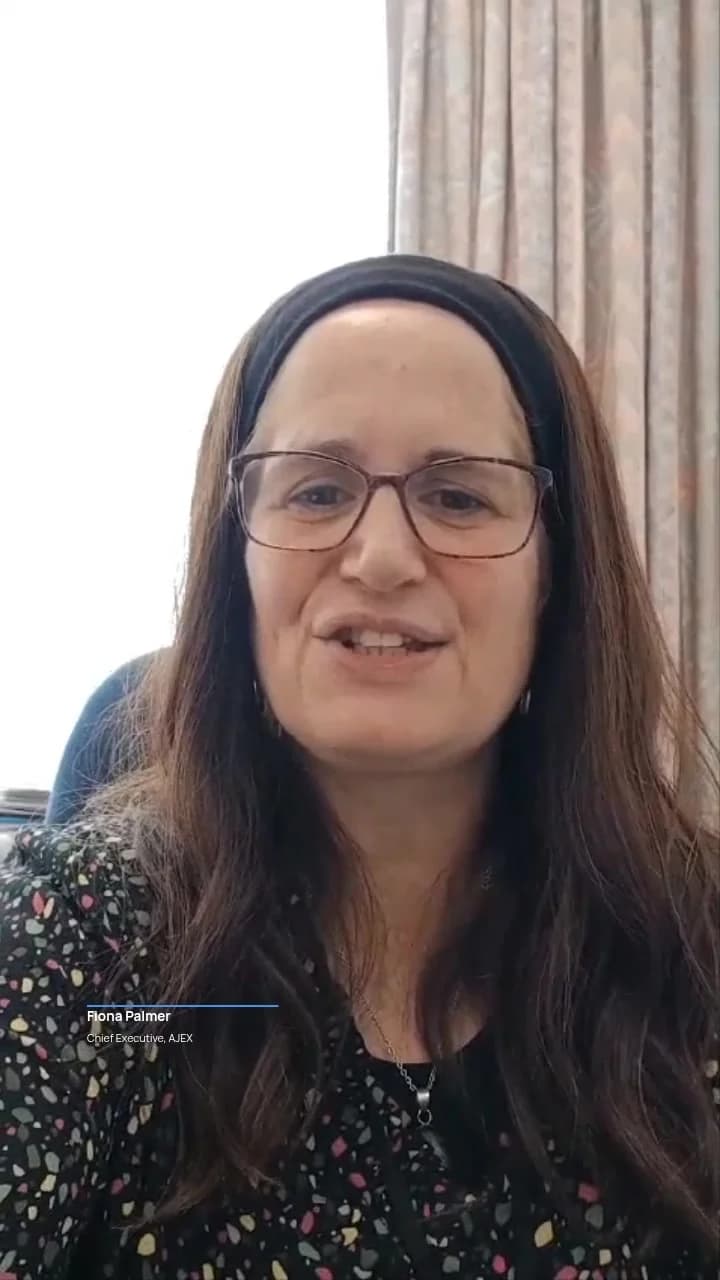
“It really was the most fantastic course. It was focusing on charities, and charities learning how to use AI. I learned so much, and it showed me how I can use AI for so many different aspects of the charity and the work that we do. The course was very interesting, lots of information, but crucially there was lots of time to do practical application of the AI skills.”
Fiona Palmer, Chief Executive, AJEXRecorded Watch the full testimonial
Common questions
Frequently Asked Questions
Take the Next Step
Your charity's team should not have to figure out AI on their own. A structured training programme gives every staff member, trustee and volunteer the confidence and skills to use AI responsibly and effectively.